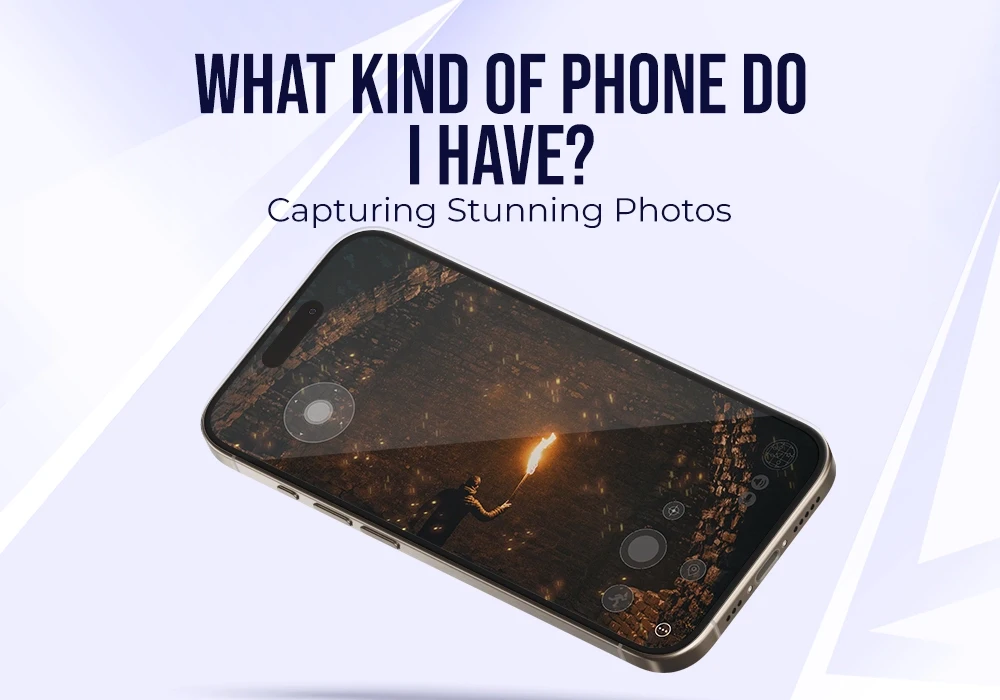
What kind of phone do I have? If you’ve ever asked yourself that while trying to take a great photo, you’re honestly not alone. Most of us use our phones every day without fully understanding their capabilities, especially when it comes to photography. The good news? You don’t need the newest phone or professional abilities to acquire exquisite images. A little awareness, some simple tips, and confidence in your device can make a huge difference.
In this friendly guide, we’ll talk about your phone, explain Mobile phone specifications in simple terms, explore how your user phone can take amazing photos, and share practical tips you can actually use in everyday life.
Your Phone Is More Powerful Than You Think
Many people underestimate their smartphones. We often anticipate that only costly cameras create outstanding photos, but that’s not always true anymore. Recent phones are configured with compelling sensors, cagy software, and photography tools that work restfully behind the scenes.
Once you learn a bit about my phone, you’ll probably notice:
- Better photo clarity
- More control over lighting
- Improved creativity
- Less frustration when taking pictures
And honestly, photography becomes much more enjoyable.
How to Quickly Identify Your Phone Model
Still unsure what kind of phone I have? Don’t worry; it’s super common. Here are simple ways to uncover:
Check Your Settings
Open your phone settings and search for “About Phone” or “Device Info.” Your model name should be there.
Look at the Phone Body
Formerly, the brand or model number seemed on the back or close to the charging area.
Online Search Works Too
Just enter details from your user phone into a search engine. You’ll likely find your exact model in seconds.
Informed, your phone model aids you in searching for its camera properties more confidently.
Understanding Mobile Phone Specifications (Simply Explained)
You don’t need to be technical to understand Mobile phone specifications, especially for photography. Let’s keep it easy.
Megapixels
Higher megapixels commonly mean more discussion, but illuminating and software matter just as much.
Aperture Size
This controls how much light comes into the camera. A wide aperture improves low-light photos.
Image Stabilization
Aids decrease blur from wobbly hands, super assistive for night shots.
Camera Software
Modern phones use AI to improve colors, exposure, and focus automatically.
Once you understand these basics, you’ll naturally start taking better photos.
Can Your Phone Really Replace a Camera?
For everyday photography? Absolutely. Some smartphones even function like a DSLR–quality camera phone, delivering impressive sharpness, color balance, and background blur.
While professional cameras still have their place, smartphones are perfect for:
- Travel memories
- Family photos
- Social media content
- Every day, creative shots
And the biggest advantage? Your phone is always with you.
Simple Ways to Improve Photos Instantly
No complicated techniques here; just practical advice.
Clean Your Lens First
It sounds obvious, but fingerprints and dust often cause blurry photos.
Use Natural Light Whenever Possible
Soft daylight almost always produces the best results.
Avoid Heavy Digital Zoom
Moving closer usually keeps the image quality better.
Hold Your Phone Steady
Even slight shaking can affect sharpness.
This is where a few accessories can help.
Accessories That Make Photography Easier
You don’t need expensive gear, but small tools can make a noticeable difference.
Using the Best tripod for smartphones
A tripod helps with:
- Night photography
- Group photos
- Stable videos
- Creative long exposures
It’s one of the simplest ways to improve your photography experience.
Using a jeep phone holder
If you rarely move or utilize road journeys, a robust case keeps your phone safe while allowing casual navigation or capturing scenic drives responsibly.
Little ascents often make big modifications.
Exploring Different Photography Styles
One of the key parts of smartphone photography is venture. Looking into Different types of photography helps you detect your inventive side.
Portrait Photography
Outstanding for people, pets, or close-up topics.
Landscape Photography
Perfect for travel, nature, or city skylines.
Macro Photography
Close-up shots of small details like flowers, food, or textures.
Street Photography
Capturing everyday life moments naturally.
Night Photography
Modern phones handle low light surprisingly well now.
Trying different styles keeps photography exciting.
Understanding Symmetry in Photography
You might wonder, What is symmetry in photography? Simply put, it means balance. When both areas of a persona portray each other or feel optically aligned, the photo often feels serene and charming.
Examples regarding:
Reflections in water
Field designs
Focused portraits
Most phone cameras even add grid lines to assist in attaining symmetry well.
Can You Take Your Phone Into a Sauna?
This question comes up more often than you’d think: Can you bring your phone into a sauna?
Mostly, it’s best not to. Hotness and wetness can harm:
- Camera lenses
- Battery action
- Inner parts
Protecting your phone guarantees improved execution and longer life.
Basic Information About Mobile Phones
Another ordinary question is What is basic information about mobile phones?
In easy terms, smartphones integrate communication, technology, and picturing into one device.
Essential parts considered:
- Processor fastness
- Camera attribute
- Display clearness
- Battery function
- Storage area
Knowing these facts helps you use your phone smarter.
Getting More From Your User Phone Camera
Your user phone probably has features you haven’t explored yet. Try checking:
- HDR mode for balanced lighting
- Portrait mode for soft backgrounds
- Night mode for low-light photos
- Pro mode for manual adjustments
A little experimentation can transform your photos.
Everyday Photography Habits That Help
Sometimes it’s not the device, it’s how we use it.
Watch Composition
Try placing subjects somewhat eccentric for an unbleached look.
Keep Backgrounds Simple
Little fuddle often means fortified photos.
Practice Regularly
Photography improves naturally with time.
You’ll start noticing details you never saw before.
Lighting Makes All the Difference
Lighting can completely change a photo.
Top-quality choices include:
- Undyed daylight
- Fleecy indoor window light
- Dawn or sundown glow
Even a DSLR–quality camera phone’s efforts in poor illumination, so always pay attention to light first.
Editing Photos without Overdoing It
Editing can heighten photos, but nicety works best.
Centering on:
- Lightness set
- Contrast proportion
- Color rectification
- Gentle modification
Natural-looking photos commonly feel more catchy and timeless.
Thinking About Upgrading Your Phone?
If you’re considering a new device after acquiring more about my phone, pay attention to:
- Camera caliber
- Holding space
- Battery action
- Software updates
- Gross Mobile phone specifications
Selecting sagely guarantees you get a phone that assists your photography goals.
Travel Photography With Your Smartphone
Phones are impressive travel fellows:
- Lightweight and movable
- Ever in order
- Cushy photo sharing
Using the Best tripod for smartphones while touring can help capture sensational scenery, night views, or unforgettable group photos casually.
Keep Photography Fun, Not Stressful
Photography shouldn’t be complex. Try:
- Originative angles
- Manifestations or shadows
- Close-up information
- Routine storytelling shots
Investigating Different types of photography keeps one’s ability vital.
A Friendly Final Thought
If you’ve ever asked What kind of phone do I have?, now you know it’s more than curiosity, it’s the starting point for better photos. Once you understand your user phone, explore Mobile phone specifications, and learn more about my phone, photography becomes easier and far more enjoyable.
You don’t need the newest device to capture beautiful images. With good lighting, steady hands, a little creativity, and maybe helpful tools like the Best tripod for smartphones or a reliable jeep phone holder, your phone can produce results close to a DSLR quality camera phone experience.
Most importantly, don’t overthink it. Photography is about moments, memories, and seeing beauty in everyday life. And the phone already in your hand is perfectly capable of helping you capture all of that.